Maitland Ward didn’t leave Hollywood — Hollywood shaped her departure. What started as a dream role on Boy Meets World became a cautionary tale about how young performers are molded, managed, and ultimately discarded by an industry that treats them like inventory. In her candid memoir and subsequent interviews, Ward draws back the curtain on a system where child actors aren’t seen as people, but as products to be packaged, promoted, and protected — not for their well-being, but for profit.
Her revelation — that young actors were treated like a product in the Hollywood factory — isn’t a new concern. But few former stars have articulated it with such clarity, precision, and firsthand experience.
The Assembly Line of Fame: How Disney Shapes Young Talent
Disney has long been the gateway for child stars. From The Mickey Mouse Club to Hannah Montana, the company has mastered the formula: identify young talent, brand them early, and build massive franchises around their likability. But behind the polished veneer of family-friendly entertainment lies a rigid production pipeline.
Maitland Ward, who played Rachel McGuire on Boy Meets World from ages 17 to 22, describes a culture of control. Scripts were sanitized. Public images were tightly managed. Personal growth? Optional. Creativity? Contained. Young actors were steered into approved roles, photo shoots, and media appearances with little room for autonomy.
“We were trained to be perfect, not authentic,” Ward said in a 2023 interview. “You weren’t encouraged to explore who you were. You were told who you were going to be.”
This model isn’t unique to Disney, but the company has perfected it. Child actors are cast not just for talent, but for marketability — a look, a voice, a vibe that fits a brand. Then, they’re put through a machine: long hours, repetitive takes, PR training, and behavioral monitoring. The result? A curated version of a teenager, not a developing human.
From Innocence to Industry: When Image Overrides Individuality
Ward’s experience highlights a disturbing paradox: the very traits that make young actors appealing — authenticity, vulnerability, relatability — are systematically erased once they’re signed.
Consider the grooming process: - Image branding: Hair, wardrobe, and even speech patterns are adjusted to fit a demographic. - Social media control: Posts are vetted, schedules are managed, and personas are crafted by teams. - Career scripting: Options are limited to roles that won’t "damage the brand" — even if the actor wants to stretch creatively.
Ward recalled being offered edgier roles post-Boy Meets World but being discouraged by her team. The fear? Alienating her fanbase. "They didn’t want me to evolve," she said. "They wanted me to stay safe. Stagnant."
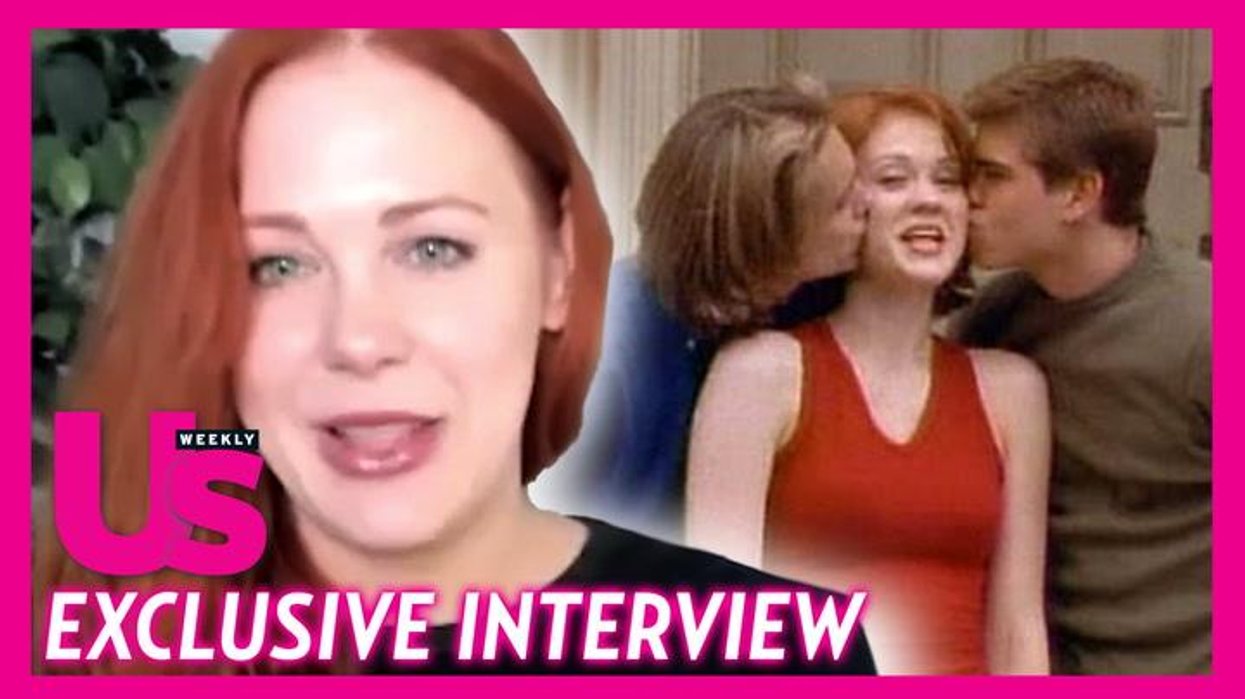
This level of control isn’t just restrictive — it’s psychologically damaging. Young performers internalize the message: You are only valuable if you conform. When Ward eventually left mainstream acting, she didn’t just step away from a career — she began reclaiming her identity.
The Aftermath: When the Product Expires
One of the cruelest aspects of the Hollywood child star system is its built-in expiration date. Once an actor ages out of their "marketable" window — typically late teens to early twenties — opportunities dry up. The machine moves on.
Ward didn’t vanish. She reinvented. Her pivot into adult entertainment wasn’t a fall from grace — it was a deliberate act of reclamation. By taking control of her image and sexuality on her own terms, she challenged the very system that once dictated her boundaries.
“I went from being told what I could and couldn’t do, to making my own rules,” she said. “It was liberating.”
But her story also underscores a broader failure: the lack of support for young actors transitioning out of child roles. Most aren’t taught financial literacy, contract negotiation, or media strategy. They’re not prepared for the psychological toll of sudden irrelevance. And when they speak up, they’re often dismissed as disgruntled or attention-seeking.
Systemic Exploitation: More Than One Star’s Story
Ward isn’t alone. Her account echoes those of other former child stars: - Demi Lovato: Opened up about emotional manipulation and eating disorders developed under industry pressure. - Dylan Sprouse: Criticized the lack of agency young actors have over their careers and earnings. - Jamie Lynn Spears: Spoke about being forced to hide her pregnancy to protect a brand.
These stories point to a pattern: young performers are treated as assets, not artists. Their labor generates millions, but their personal development is secondary. Contracts often favor studios. Trust funds are mismanaged. And mental health support is rare.
California’s Coogan Law, designed to protect child actors’ earnings, is a step forward — but enforcement is inconsistent. Many young stars still lose their savings to mismanagement or family exploitation. The system protects profit, not people.
The Illusion of Choice: Why “Just Say No” Isn’t Enough
Critics often argue: If it’s so bad, why don’t they just walk away?
The answer is complex. For many young actors, walking away means losing identity, income, and social validation. Their entire adolescence was spent in the spotlight. Their families often rely on their earnings. And the industry rarely prepares them for life after fame.
Ward admitted she felt trapped. “You’re told you’re lucky. You’re told not to bite the hand that feeds you. But no one talks about the cost.”
Even when actors want to leave, the transition is rarely smooth. Typecasting makes it hard to land new roles. Public perception sticks. And the emotional toll of years under scrutiny can lead to anxiety, depression, or substance abuse.
Rebuilding Autonomy: Ward’s Blueprint for Taking Back Control
Maitland Ward’s journey from Disney star to empowered entrepreneur offers a roadmap for others.

1. Own Your Narrative After leaving mainstream TV, Ward launched a podcast, wrote a memoir (Nice Girls Still Don’t Get the Corner Office), and built a direct-to-fan business. She stopped letting others define her and started telling her own story.
2. Monetize on Your Terms In adult entertainment, Ward negotiates her own contracts, controls her content, and retains ownership of her brand. “I make more now, and I have more creative freedom than I ever did in traditional Hollywood,” she said.
3. Advocate for Change Ward has become a vocal critic of the entertainment industry’s treatment of young performers. She supports stronger labor protections and mental health resources for child actors.
Her success isn’t a rejection of her past — it’s a redefinition of it.
What the Industry Needs to Fix
Ward’s revelations aren’t just personal — they’re a call for systemic reform. The Hollywood “factory” model may generate profits, but it sacrifices young lives in the process.
Key changes needed: - Mandatory financial education for child actors and their guardians. - Independent oversight of trust funds and earnings. - Mental health support integrated into production schedules. - Career transition programs to help young actors evolve beyond their early roles. - Stronger contract transparency, especially for minors.
Until then, the cycle continues: new faces are molded, marketed, and discarded — just as Ward once was.
The Bigger Picture: Fame, Freedom, and the Price of Perfection
Maitland Ward’s story resonates because it’s not just about Hollywood. It’s about how society commodifies youth — especially young women. The pressure to be perfect, palatable, and profitable starts early and rarely lets go.
Her transformation from a controlled Disney image to a self-directed entrepreneur is more than a career shift. It’s an act of defiance. A refusal to be reduced to a product.
And in that refusal, she offers a powerful lesson: autonomy is not given. It’s taken.
For every young actor still in the machine, her journey is a reminder — you are more than your role, your brand, or your audience. You are not a product. You are a person.
Common Mistakes Young Actors (and Parents) Make - Signing long-term contracts without legal counsel - Prioritizing fame over education or skill development - Ignoring mental health until crisis hits - Trusting management teams without vetting - Believing the industry has their best interests at heart
Practical Tips for Navigating Early Fame ✓ Hire independent legal and financial advisors ✓ Set up a Coogan-compliant trust ✓ Limit social media exposure during formative years ✓ Pursue education and backup skills ✓ Schedule regular mental health check-ins
The Hollywood factory runs on image, control, and conformity. Maitland Ward didn’t just survive it — she exposed it. Now, the real question is whether the industry will change, or keep grinding out another generation of disposable young stars.
For those watching from the outside — or dreaming of stepping in — her message is clear: know your worth, own your story, and never let the machine decide who you are.
FAQ
What should you look for in Maitland Ward Exposes Hollywood’s Child Star Factory? Focus on relevance, practical value, and how well the solution matches real user intent.
Is Maitland Ward Exposes Hollywood’s Child Star Factory suitable for beginners? That depends on the workflow, but a clear step-by-step approach usually makes it easier to start.
How do you compare options around Maitland Ward Exposes Hollywood’s Child Star Factory? Compare features, trust signals, limitations, pricing, and ease of implementation.
What mistakes should you avoid? Avoid generic choices, weak validation, and decisions based only on marketing claims.
What is the next best step? Shortlist the most relevant options, validate them quickly, and refine from real-world results.